13: Ablaze With God’s Glory-Sabbath School Lesson Teaching Plan

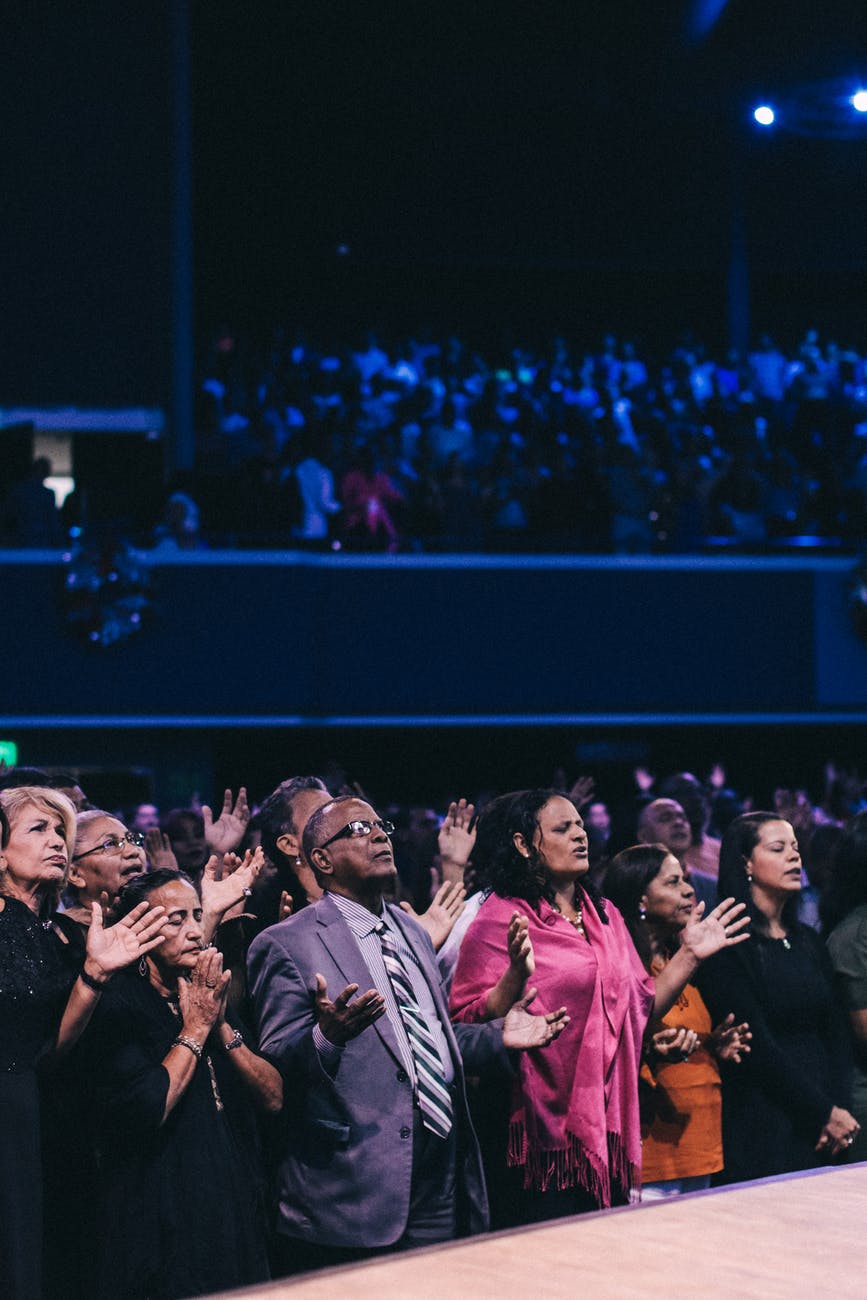
Photo by icon0.com on Pexels.com

Prepared by William Earnhardt for Sabbath School class, June 24, 2023.

Main Theme: The three angel’s message in Revelation 14:6-12 leads God’s people out of the dark ages into the light of the Gospel.

Read in Class: 1 Thessalonians 5:1-6. Discuss the main idea of this passage.

Study:  What admonition does the apostle Paul give us regarding the last days of human history?

Apply: Paul says not “to sleep” as others do. What does that mean, and how can we know if we are, indeed, sleeping and, if we are, what will it take to wake us?

Share: Your friend asks you where you see things in 1 Thessalonians 5:1-6 being fulfilled? What do you tell your friend?

Read in Class: Revelation 18:1-4. Discuss the main idea of this passage.

Study: What three things does John tell us about this angel? (See also Hab. 2:14).

Apply: Ultimately, how do the issues in the last days (as they really do every day) come down to authority? Whose authority do we follow: God’s, our own, the beast power’s, or someone else’s? Whose authority are you following now?

Share: Your friend asks, if God’s people are being called out of the churches they are in where are they supposed to go? Does the Bible tell us? What do you tell your friend?

Read in Class: Revelation 4:11, 5:12 and 19:1. Define the common thread of these passages.

Study: What words are associated with the glory of God that fills the earth as described in Revelation 18:1?

Apply: How does God’s church bring glory to God? What are some practical ways we give light to this dark world?

Share: Your friend complains that it seems like his Adventist father-in-law is always bashing other churches. Your friend asks if its really necessary to bash other churches in order to share truth? What do you tell your friend?

Read in Class: Revelation 13:1-4 and Revelation 14:1-12. Discuss the contrasts in these two passages.

Study: How do we make sure we are following the Lamb instead of the beast? Where all does the Lamb go and where do we go when we follow the Lamb?

Apply: Where has the world seen you following the Lamb recently?

Share: Take a moment and share some new ideas your have gleaned from this quarter’s lesson.

10: Satan’s Final Deceptions-Sabbath School Lesson Teaching Plan

Prepared by William Earnhardt, for Sabbath School Class, June 3, 2023.

Maine Theme: The Scriptures keep us safe from Satan’s final deceptions.

Read in Class: Ecclesiastes 9:5, Job 19:25-27, 1 Thessalonians 4:16-18, Revelation 14:13. Define the common thread of these passages.

Study: What clear instruction did God give His people about life after death, and where do we find our hope?

Apply: What examples of modern spiritualism exist in your culture today? Why is firm adherence to the Word of God our only protection?

Share: Your friend tells you he believes when you die you go straight to heaven, because years ago when he was on the operating table he temporarily died and saw a bright light which he believes was heaven. It was very real and he personally experienced it. What do you tell your friend?

Read in Class: Ezekiel 8:16 and 2 Kings 23:5, 11. Define the main idea of these passages.

Study: What did the prophets write about the influence of sun worship in Israel and Judah? (See also Rom. 1:25).

Apply: Look around at how prevalent Sunday worship is in Christian churches. What should this fact teach us about how pervasive Satan’s deceptions are? Again, as with the state of the dead, what is our only safeguard?

Share: Your friend says his pastor says we don’t have to worry about keeping the Sabbath because in the New Testament we have grace. What do you tell your friend?

Read in Class: Ezekiel 20:1-20. Define the main idea of this passage.

Study: What is the gist of Ezekiel’s message here, and how does the Sabbath fit in with this call to faithfulness?

Apply: What lessons can we take away for ourselves from what has been written in Ezekiel 20:1-20(See also 1 Cor. 10:11).

Share: Your friend says that Sunday worship and the immortality of the soul could not possibly be wrong since so many Christians around the world adhere to these doctrines. What do you tell your friend?

Read in Class: Revelation 18:4-5. Define the main idea of this passage.

Study: What is God’s appeal to multitudes still in fallen religious organizations?

Apply: See Matthew 15:3, 8-9. How do we keep ourselves safe from false theology and practices?

Share: Can you think of someone who would be encouraged by something in this week’s study? How can you plan to share it with them this week?

9: A City Called Confusion-Sabbath School Lesson Teaching Plan

Prepared by William Earnhardt for Sabbath School Class, May 27, 2023.

Main Theme: While the first angel’s message tells us to worship God, the second angel warns us against a false system of worship.

Read in Class: Revelation 14:8 and Revelation 17:1-2. Define the common thread of these passages.

Study: What solemn announcement does the angel make, and what did Babylon do to warrant such an announcement?

Apply: Both leaders and the common people alike have been negatively influenced by this power. What’s our only protection? (Read Eph. 6:10-18).

Share: Your friend points out that Isaiah 21:9 mentions that Babylon has fallen, and asks what are the parallels of ancient and modern spiritual Babylon? What do you tell your friend?

Read in Class: Revelation 18:1-4. Define the main idea of this passage.

Study:  How extensive is Babylon’s influence?

Apply: What role do those who proclaim the three angels’ messages have in being used by God to call “my people,” His people, out of Babylon?

Share: You friend asks, when people come out of Babylon where do they go? What do you tell your friend?

Read in Class: Revelation 17:4-6, 14 and Matthew 16:18. Define the common thread of these passages.

Study: What do these verses teach us about the nature of this evil system?

Apply: How can we protect ourselves from the subtle influences of Babylon, such as the tendency, easy as it is, to depend upon ourselves and not wholly upon God?

Share: Your friend asks, If God is calling His people out of Babylon who do we warn them about the system of Babylon without condemning God’s people who are still in Babylon? What do you tell your friend?

Read in Class: Revelation 12:17, Revelation 18:1-4 and John 10:16. Define the common thread of these passages.

Study: When God’s people come out of Babylon, what is the remnant or fold that they come into?

Apply: How are you making sure your church is a safe place for God to bring His flock into? In what ways is your church more safe than Babylon?

Share: Is God leading you to give a friend or family member a call out of Babylon? Can you give that invitation this week?

4: Fear God and Give Glory to Him-Sabbath School Lesson Teaching Plan

Photo by Karolina Grabowska on Pexels.com

Prepared by William Earnhardt for Sabbath School class, April 22, 2023.

Main Theme: To fear God means to be in awe of His love and power. This fear causes us to reverence Him in our hearts and in the way we live our lives.

Read in Class: Revelation 14:7. Define the main idea of this passage.

Study: What specific instruction does he give us?

Apply: What has been your own experience of fearing God? How would you explain to someone, in a positive way, why “the fear of God” is something good?

Share: Your friend quotes Ecclesiastes 8:11, and says that people today have no reason to fear God, because sinners never get their just due anymore. They get away with everything! What do you tell your friend? See Ecclesiastes 12:13-14.

Read in Class: Deuteronomy 6:2, Psalm 119:73-74, Ecclesiastes 12:13-14. Define the common thread of these passages.

Study: What is the result of fearing God?

Apply: How do Jesus’ words here “And do not fear those who kill the body but cannot kill the soul. But rather fear Him who is able to destroy both soul and body in hell” (Matt. 10:28, NKJV) help us understand what it means to fear God?

Share: Your friend states, that Revelation 21:7-8 says the fearful will be thrown into the lake of fire. Why is God throwing the fearful into the lake of fire if we are supposed to fear God? How would you answer your friend, and how would what we read in Matthew 10:28 help?

Read in Class: 1 Corinthians 6:19-20 and Romans 12:1-2. Define the common thread of these passages.

Study: How do these passages help us understand one way that we can glorify God?  What appeal does the apostle Paul make regarding the totality of our life choices?

Apply: Think about what you do with your body. What can you do to make sure that you are, indeed, glorifying God with it?

Share: Your friend asks, what is the difference between glorifying God with our bodies because we fear Him, and glorifying God because we are afraid of Him? For a hint: Read Exodus 20:20 in the NKJV and then Read Exodus 20:20 in the ERV.

Read in Class: Hebrews 4:14-16 and Hebrews 7:25. Define the common thread of these passages.

Study: What is the means of overcoming and living lives that “fear God” and “give Him glory?”

Apply: Are there things in your life you desire to overcome? How can we translate our desires into action? What practical steps can we take to be one of Revelation’s “overcomers”?

Share: How do we teach children to fear us without being afraid of us? How can we show others how to fear God without being afraid of Him?

13: The Judging Process-Sabbath School Lesson Teaching Plan

Photo by Sora Shimazaki on Pexels.com

Prepared by William Earnhardt for Sabbath School class, Sabbath, December 24, 2022.

Main Theme:  The pre-advent judgment, the millennial judgment, and the executive judgment ends with the vindication of the righteous.

Read in Class: Daniel 7:9-14, Matthew 22:1-14, Revelation 11:1, 18-19, Revelation 14:6-7. What is the common thread of these passages?

Study: How do these passages shed light on the notion of a pre-advent investigative judgment in the heavenly courtroom? What is the significance of such a judgment?

Apply: How should our knowledge of a judgment in heaven impact how we live here on earth?

Share: Your friend says there is no need for God to have an investigative judgment since He already knows everything. What is there for him to investigate? How do you answer your friend? Hint: in Genesis 3:9-11 God is performing an investigation and asking questions He already knows the answers to.

Read in Class: 1 Corinthians 6:2-3 and Revelation 20:4-6, 11-13. What is the common thread of these passages?

Study: Why should the saints participate in the millennial judgment? Is God offering transparency and accountability?

Apply: What does it teach us about the character of God that before any of the sleeping lost are resurrected to face the second death, the saved will be involved in the judging process, and no one will be punished until we, too, see the justice and fairness of God?

Share: Your friend says that everyone will be given a second change during the thousand years. What do you say to your friend? See also The Millennium in Light of the Cross.

Read in Class: 2 Peter 2:4-6 and 2 Peter 3:10-13. What is the common thread of these passages?

Study: How do these texts help us understand the nature of the final executive judgment? How do they imply the idea of the completion of judgment as opposed to its going on forever, which would be a perversion of justice and not an expression of it?

Apply: What does the Cross itself teach us about what God was willing to do in order to save everyone who would be saved?

Share: Your friend asks how we can hasten the coming of Jesus? What do you tell your friend?

Read in Class: Revelation 21:1-8 and Revelation 22:14. Define the main idea of these passages.

Study: What is the hope and reward of the righteous? What is the second death of the wicked?

Apply: What is your only hope in the judgment? How do you know you will be saved? See Salvation in Light of the Cross.

Share: What hope you gained from the lessons this quarter? What is your main takeaway?

12: The Biblical World View-Sabbath School Lesson Teaching Plan

Photo by Porapak Apichodilok on Pexels.com

Prepared by William Earnhardt, for Sabbath School Class, Sabbath, December 17, 2022.

Main Theme: As final events unfold we must hold fast to the Truth we have in Jesus and the hope that He gives us.

Read in Class: Luke 2;52 and Matthew 4:23. What common thread do we find in these passages?

Study: What four dimensions of growth do we find in Luke 2:52. What three dimensions of Jesus’ ministry do we find in Matthew 4:23?

Apply: In contrasting ourselves to Jesus, we could easily be discouraged by the difference. How, then, does focusing on the Cross and what it means protect us from being disheartened by what we see in ourselves compared to what we see in Jesus?

Share: Your friend says our church needs to stop having seminars on money management and divorce recovery and just focus on the three angels message? In light of Luke 2:52 and Matthew 4:23, how would you respond to your friend?

Read in Class: 1 Corinthians 6:19-20 and 1 Corinthians 10:31. What is the common thread of these passages?

Study:  How can the understanding that our bodies are “the temple of God” and “the temple of the Holy Spirit” positively influence our lifestyle?

Apply: Read 3 John 1:1-2. How does this help you understand the relationship between your physical health and your spiritual health? Does one affect the other? If so, how?

Share: Your friend asks you what things contribute to our physical and spiritual health besides what we eat and drink? What do you tell your friend? See also Health in Light of the Cross.

Read in Class: 1 Corinthians 2:16, Psalm 24:3-4, Romans 12:2, Philippians 4:8, and Colossians 3:2. Define the common thread of these passages.

Study: What does it mean to have the “mind of Christ”?

Apply: magine what your life would be like if you could stop even sinful thoughts. How different would your life be? What is the only potential way to have this be your experience?

Share: Your friend says that if we have the mind of Christ we will never be tempted? Do you agree or disagree with your friend? What do you tell your friend? See also Matthew 26:39 and Hebrews 4:15.

Read in Class: 2 Peter 3:14 and 1 John 3:1-3. Define the common thread of these passages.

Study: What difference do you see between preparing ourselves for the Second Coming and being ready for that glorious event?

Apply: How can we be ready today for the coming of Jesus?

Share: Your friend asks you how he can know if he is ready for Jesus to come? What do you tell your friend? See also The Gospel Presentation.

11: End-Time Deceptions Sabbath School Lesson Teaching Plan

Photo by Pavel Danilyuk on Pexels.com

Prepared by William Earnhardt, for Sabbath School Class on Sabbath, December 10, 2022.

Main Theme: A proper understanding in Scripture will keep us safe from end-time deceptions.

Read in Class: Matthew 7:21-27. Define the main idea of this passage.

Study: In light of Jesus’ own words, what does it mean to build our spiritual house “on the rock” and to build it “on the sand”?

Apply: How can we fight the very human tendency to let our emotions and desires cause us to do things contrary to the Word of God?

Share: Your friend says, “Romans 10:13 tells us all who call on the name of the Lord will be saved. It does not matter if we keep the Sabbath or obey the Bible. All we have to do is call on the name of the Lord to be saved now.” How do you answer your friend?

Read in Class: Mark 5:41-43 and John 11:40-44. Define the main idea of this passage.

Study: Do any of these passages mention the resurrected people being conscious while they were dead?

Apply: How fascinating that NDEs often now come with the imprimatur of “science.” What does this teach us about how careful we need to be even of things that science supposedly “proves”?

Share: Your friend says while he momentarily died on the operating table he was hovering over the doctors and nurses who were working on him. He says he experienced for himself consciousness while being dead. What do you tell your friend? For hints see Death in Light of the Cross and Every Word of God Proves True.

Read in Class: 1 Samuel 28:3-25. Define the main idea of this passage.

Study: What spiritual lessons against any supposed communication with the dead can be drawn from Saul’s experience with the woman medium at Endor?

Apply: How often, under stress, do we do things that we know are wrong? Why are faith, prayer, and obedience to the Word of God our only sure defense against our own selves?

Share: Your friend says that when he was a child he was lost in the woods and his dead grandfather miraculously appeared and led him safely home and then disappeared. What do you tell your friend? For hints see Did King Saul Talk to Samuel After he Died?

Read in Class: 2 Corinthians 11:14-15 and Ephesians 6:10-18. Define the common thread of these passages.

Study: What should be our safeguards against such demonic deceptions?

Apply: What does it mean to put on the “whole armor of God?” In a day-by-day practical sense, how do we do this in every area of our lives, not just in dealing with end-time deceptions?

Share: Can you think of a friend who would be edified by something in this week’s Bible study? How can you share it with them this week?

9: A Life of Praise-Sabbath School Lesson Teaching Plan

Photo by Luis Quintero on Pexels.com

Prepared by William Earnhardt, for Sabbath School class on Sabbath, August 27, 2022.

Main Theme: Praising God not only changes our attitude. It can also change our situation.

Read in Class: Philippians 4:4-7. Discuss the main idea of this passage.

Study: How do you think Paul could have written such things when he himself was sitting in a prison? In this passage, what are the keys to gaining the “peace of God”?

Apply: What reasons do you have to praise God even in the worst of circumstances? See Ruin Satan’s day.

Share: Your friend asks, is there a difference between praising God in all things and praising God for all things? What do you tell your friend?

Read in Class: Joshua 6:15-17 and Hebrews 11:30. Define the main idea of these passages.

Study: What was God trying to teach His people here?

Apply: How does Psalm 66:1-2 help you understand the meaning of Hebrews 11:30?

Share: Your friend says there is no way we can have total victory over addictions in this life. How can you sue Hebrews 11:30 to show how faith makes victory a reality.

Read in Class: Acts 16:16-34. Define the main idea of this passage.

Study: Why did this event cause the jailer to focus on his own need of salvation? What role do you think Paul’s and Silas’ prayers and songs played in the prisoners’ not running away, and in the conversion of this man and his whole family?

Apply: Who do you think could be influenced for God by a song of praise that could come from your heart? Make a concerted effort to be more open and effusive in your praise to God around others. You don’t know the positive effect it could have.

Share: Your friend asks if Paul and Silas sing hymns of praise caused the earthquake? What do you tell your friend?

Read in Class: 2 Chronicles 20:3-12. Define the main idea of this passage.

Study: When you see a “vast army” approaching, what is your instinctive reaction? From Jehoshaphat’s response in 2 Chronicles 20:3-12, what can you learn about dealing with overwhelming opposition?

Apply: What spiritual principles can you find in 2 Chronicles 20, that can apply to your own walk with God, especially in times of trial and stress?

Share: Can you think of a friend who could use some encouragement from the Bible passages in this lesson? How can you share it with them this week?

3: Jesus, the Promised Son-Sabbath School Teaching Plan

Prepared by William Earnhardt, for Sabbath school class, January 15, 2022.

Main Theme: Jesus is the Son God promised to Adam and Eve Who would Redeem the human race.

Read Together: Numbers 24:14-19 and Isaiah 2:2-3. Define the common theme in these passages.

Study: What did God promise He would do for His people in the “latter days?”

Apply: Look at all the promises God fulfilled in the past. How should this help us to trust Him for the promises not yet fulfilled?

Share: Years ago when I was doing door to door work as a literature evangelist, I met a woman who told me, “Jesus never did anything for me!” I was surprised. How would have responded to this woman? Hint: See Genesis 12:3, Romans 5:18-19, Hebrews 2:9.

Read Together: Genesis 3:15 and John 3:16. Define the common theme of these passages.

Study: What is meant by “only begotten” or “one and only Son?” Hint: See “God’s One and Only Son.”

Apply: How do you know your belief in Jesus is not just presumption?

Share: Your neighbor asks you how he can know if he has eternal life? What do you tell your neighbor? See the Gospel Presentation.

Read Together: Hebrews 1:1-5. Define the main idea of this passage.

Study: What are some of the things that this passage teaches us about Jesus?

Apply: Why is it important to know that Jesus is greater than the angels?

Share: While studying with a protestant family about the spirit of prophecy, the wife told me, “In Hebrews 1:1-2 it says God used to speak to us by prophets but now speaks to us by His Son. This means God no longer uses prophets. He just uses His Son.” How would you have responded to this comment? Hint: See 1 Corinthians 12:28 and Ephesians 4:11-13.

Read Together: Psalm 2:7 and Luke 1:31-32 and Hebrews 1:5. Define the main theme of these passages.

Study: What promise to David did Paul in Hebrews apply to Jesus?

Apply: How does the fulfilment of these passages give you confidence?

Share: Can you think of someone who may be encouraged by something shared in class today? Can you share it with them this week?

But be doers of the word, and not hearers only...James 1:22.

7: Law and Grace – Sabbath School Teaching Plan

Photo by Sora Shimazaki on Pexels.com

Prepared by William Earnhardt for Sabbath November 13, 2021.

Main Theme: While we are saved by grace in both Old and New Testaments, we have the law in both testaments to show us how to live a life of love.

Read Together Ezekiel 25:15-16. Define together the main idea of this passage.

Study: Iniquity is sin. According to the definition of sin in 1 John 3:4 was there a law in heaven when Lucifer sinned? Is it possible to sin where there is no law? See Romans 3:20.

Apply: Why is the idea of a moral law inseparable from the idea of moral beings? Without that law, what would define what is moral and what is not?

Share: Your neighbor asks, “did the angels have the ten commandments written in stone or was there a main underlying principle they followed?” What do you tell your neighbor?

Read Together Deuteronomy 5:6-22. Define together the main thought of this passage.

Study: Is God commanding we have no other gods or promising they will need no other gods? Both? How do we know? What assurances do we have in this passage of God’s grace? In verses 12-15 where do we see a promise of rest?

Apply: How do we keep the commandments without being legalistic?

Share: Your same neighbor tells you we were saved by keeping the law in the Old Testament, but today we are saved by grace. What do you say to your neighbor? Hint: God has Always Been Graceful.

Read Together Deuteronomy 9:1-6. Define together the main thought of this passage.

Study: How does this passage relate to Ephesians 2:8-10? Do we see the same principles of grace in both Old and New Testaments?

Apply: Even when we are obedient and victorious why should we never be proud? See Galatians 2:20.

Share: Your neighbor asks, “if we are not saved by keeping the law then why keep it?” What do you tell your neighbor?

Read Together Romans 3:20, 27-31. Define together the main idea of this passage.

Study: Is Paul presenting a new idea or an eternal idea? In other words was anyone in the Old Testament saved by keeping the law? Were those in the Old Testament saved by grace as well?

Apply: How does faith help you keep the law? See James 2:18.

Share: Your neighbor asks you how you can tell if you are saved? What do you tell your neighbor? See the Gospel Presentation.